Burnout Recovery Plan PDFs offer structured, actionable guides tailored to professionals. They outline specific tools, concrete weekly actions, and timelines, moving beyond generic self‑care. These resources emphasize behavior change and thought pattern shifts to reverse burnout. 8‑week plan, 4‑step guide.!

Understanding Burnout Components
Burnout comprises three distinct components: physical, emotional, and behavioral. Physical signs include fatigue, headaches, and sleep disturbances. Emotional symptoms involve irritability, cynicism, and loss of motivation. Behavioral changes manifest as withdrawal, procrastination, and reduced productivity.!!!??

Physical Symptoms

Burnout’s physical manifestations are often the first warning signs that an individual’s body is struggling to cope with chronic stress. Persistent fatigue that does not improve with rest, frequent headaches, and chronic muscle tension—especially in the neck, shoulders, and lower back—are common. Sleep disturbances, such as insomnia or oversleeping, can further exacerbate exhaustion. Appetite changes, whether a loss of appetite or overeating, reflect the body’s attempt to regulate energy levels. Gastrointestinal issues, including bloating or irritable bowel syndrome, often accompany prolonged stress. Additionally, individuals may experience unexplained aches, a heightened sensitivity to pain, and a general sense of physical sluggishness. These symptoms can progressively impair daily functioning, leading to decreased productivity and increased absenteeism. Recognizing and addressing these physical cues early is essential for effective burnout recovery, as they signal the need for targeted interventions such as rest, nutrition, and movement strategies. These physical indicators, when acknowledged early, can serve as a catalyst for implementing structured recovery plans, such as scheduled rest periods, ergonomic adjustments, and mindfulness practices, all of which have been shown to reduce stress markers and improve overall well-being. Moreover, regular monitoring of these symptoms through simple checklists can help professionals track progress and adjust interventions accordingly, ensuring a personalized and responsive approach to burnout recovery Remember track changes weekly for results .
Emotional Symptoms
Burnout’s emotional toll is often the most insidious, eroding motivation, self‑esteem, and interpersonal harmony. Chronic feelings of irritability, cynicism, and detachment can surface in the workplace, turning once‑enthusiastic tasks into burdensome chores. A pervasive sense of emotional exhaustion—where even simple conversations feel draining—signals that the emotional reservoir is depleted. Mood swings, ranging from sudden frustration to quiet despondency, reflect an unstable affective baseline. Individuals may report a loss of interest in previously enjoyable activities, a diminished sense of accomplishment, and a growing sense of helplessness or hopelessness. These affective shifts can precipitate anxiety, manifesting as racing thoughts, worry about performance, or fear of failure. In severe cases, depressive symptoms such as persistent sadness, sleep disturbances, or appetite changes may emerge. The emotional climate of burnout also erodes empathy, leading to strained relationships with colleagues and clients. Recognizing these patterns early is critical; self‑monitoring tools like mood diaries or validated scales (e.g., the Maslach Burnout Inventory) help quantify emotional strain. Interventions that target emotional symptoms include structured reflection, cognitive reframing, professional counseling, and supportive peer networks. Setting clear boundaries, practicing gratitude, and engaging in restorative activities (e.g., mindfulness, creative hobbies) can rebuild emotional resilience. A systematic recovery plan with daily skill workshops daily and downtime restores emotional resilience!
Behavioral Symptoms
Burnout’s behavioral manifestations are often the first visible warning signs, subtly altering work habits and personal routines. Chronic procrastination and missed deadlines create a backlog that fuels anxiety. Time management deteriorates, with frequent lateness and overcommitment followed by last‑minute cancellations. Physical signs—such as increased absenteeism and unexplained aches—signal the body’s protest against sustained stress. Productivity drops, producing rushed or incomplete work. The “check‑list” approach fades; individuals skip essential steps, leading to sloppy outputs. Social withdrawal becomes apparent: reduced participation in meetings, reluctance to collaborate, and isolation during breaks. This withdrawal can extend beyond the workplace, diminishing family and community involvement. A loss of initiative is common; motivated individuals may no longer volunteer for new projects or propose innovative ideas, reflecting depleted creative energy. A pattern of “burn‑out fatigue” emerges, where energy reserves are exhausted, resulting in a constant state of “just getting through” rather than “doing well.” These shifts are self‑reinforcing: missed deadlines lead to stress, which further impairs performance, creating a vicious cycle. Recognizing these patterns early allows for targeted interventions—structured task lists, time‑boxing, scheduled breaks—to restore routine, re‑engage motivation, and rebuild confidence. A well‑crafted burnout recovery PDF will recommend specific behavioral tools, like the Pomodoro Technique, daily reflection prompts, and accountability partners, to systematically reverse detrimental habits and re‑establish a sustainable work rhythm. Implementing these tools consistently can gradually shift habits, reduce overwhelm, and foster a sense of mastery over daily tasks, for success daily.

Practical Steps for Busy Professionals
Plan a 5‑minute daily check‑in, set a 2‑hour “focus block,” and use a “no‑meeting” day weekly. Log tasks in a shared PDF, assign realistic deadlines, and schedule 5‑minute breaks. Pair each tool with a concrete action to boost energy and reduce overwhelm. Daily review boosts.!
Specific Tools and Actions

Burnout Recovery Plan PDFs provide a clear, step‑by‑step framework that pairs each tool with a concrete action you can implement within a week. The core approach follows a 4‑step cycle: identify symptoms, select a targeted tool, apply the action, and track progress. Tools include:
- Daily Check‑In: A 5‑minute reflection prompt that records mood, energy, and stress triggers.
- Focus Blocks: 90‑minute work periods with scheduled micro‑breaks to prevent cognitive overload.
- Boundary Setting: A “no‑meeting” day each week to protect deep work time.
- Micro‑Movement: 5‑minute stretch or walk to reset physical tension.
- Digital Detox: 30‑minute phone‑free window before bed to improve sleep quality.
- Social Check‑In: A brief weekly call or message to a supportive colleague or friend.
- Reflection Journal: A 3‑sentence entry summarizing wins and lessons each day.
- Progress Dashboard: A shared PDF tracker that visualizes weekly goal attainment.
Each tool is paired with a specific action: for example, the Daily Check‑In is followed by setting a single priority for the day; Focus Blocks are scheduled in your calendar with a timer; Boundary Setting requires sending a polite email to block off time. By embedding these actions into your routine, the plan moves from theory to practice, ensuring sustainable recovery over an 8‑week cycle.

Use the PDF tracker to flag progress, celebrate small wins, and adjust plan as needed today!

Effective Recovery Strategies PDF Resources
These PDFs compile evidence‑based tactics: structured 8‑week plans, daily check‑ins, boundary tools, micro‑movement routines, and progress dashboards. They emphasize concrete actions, measurable milestones, and flexible timelines, enabling professionals to track recovery and sustain energy. Weeklyuse boosts now
Occupational Burnout Causes
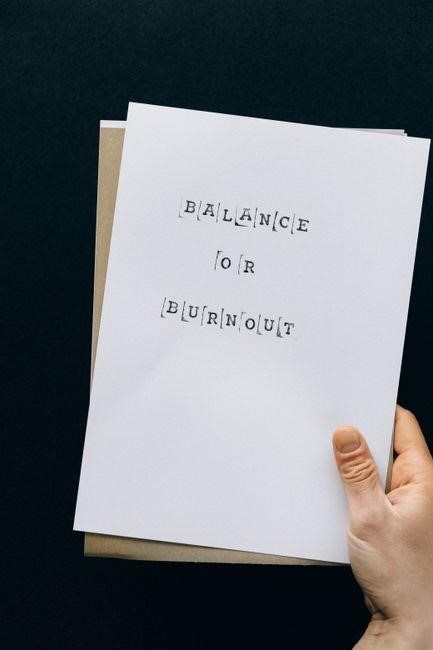
Occupational burnout emerges from a confluence of workplace dynamics that erode well‑being. Key drivers include excessive workload, chronic time pressure, and unrealistic performance expectations that leave little room for recovery. When employees feel a persistent lack of control over tasks, deadlines, or decision‑making, psychological distress escalates. Reward deficits—whether financial, recognition, or career advancement—further erode motivation. A hostile or unsupportive social environment, marked by poor communication, micromanagement, or interpersonal conflict, amplifies stress. Perceived injustice, such as inequitable workload distribution, favoritism, or opaque promotion criteria, fuels resentment. Finally, misalignment between job demands and personal values or skills can create a sense of meaninglessness, intensifying emotional exhaustion. These factors interact, creating a feedback loop that accelerates burnout if unaddressed.
Technology overload—constant connectivity, email influx, and rapid information cycles—creates an “always on” culture that blurs boundaries. Shift work and irregular hours disrupt circadian rhythms, impairing sleep and cognitive function. The absence of clear career pathways or professional development opportunities can leave staff feeling stagnant. High turnover rates and staffing shortages increase workload for remaining employees, fostering chronic fatigue. Finally, organizational culture that prioritizes output over well‑being, coupled with inadequate mental health resources, perpetuates a toxic environment.
Leadership practices that emphasize short metrics, neglect employee feedback, or fail to model work‑life balance contribute to burnout. Policies lacking flexibility—such as scheduling, limited remote options, or insufficient leave—reduce autonomy. Moreover, insufficient training on stress management or resilience leaves staff ill‑prepared to cope with high demands. When organizations fail to provide accessible counseling, peer support, or wellness programs, the cumulative strain can become overwhelming, accelerating burnout trajectories.
Estimated Recovery Timeframes
Recovery from occupational burnout is individualized, yet benchmarks emerge from studies and reports. For professionals experiencing moderate symptoms, a plan that integrates rest, change, and reframing can yield improvements within three to six months. During this period, individuals often report reduced exhaustion, increased engagement, and a clearer sense of purpose. When burnout severity is higher—characterized by chronic sleep deprivation, persistent anxiety, or significant impairment—recovery may extend to nine months or more. In these cases, phased interventions that address underlying stressors, such as workload restructuring and skill development, are essential. Progress is typically measured through validated tools like the Maslach Burnout Inventory, with a goal of achieving a 30‑40% reduction in scores. In extreme scenarios, where burnout has led to long‑term health consequences or has been accompanied by depressive episodes, the timeline can stretch to two or three years. During this extended phase, ongoing therapy, medical management, and sustained support are critical. The focus shifts from relief to resilience building, often incorporating mindfulness practices, peer support groups, and periodic reassessment of demands. Regardless of severity, the recovery journey is not linear. Plateaus, setbacks, and gradual gains are common. Successful plans emphasize flexibility, allowing individuals to adjust goals and strategies as they evolve. Regular check‑ins with a coach, therapist, or mentor can help maintain momentum and recalibrate expectations, ensuring that the recovery trajectory remains realistic and sustainable. Mindfulness practice supports network!

Faculty and Administrators Recovery Guide
Academic burnout demands a tailored PDF plan. It blends workload limits, research pacing, and student support. Faculty use checklists, set boundaries, and schedule reflective breaks. Administrators align policies, offer peer coaching, and monitor metrics. Thanks.!< /p>
Academic Workload Management
Academic workload management is a cornerstone of the burnout recovery plan PDF for faculty and administrators. The guide recommends a systematic approach: first, conduct a comprehensive audit of current duties, categorizing them into teaching, research, service, and personal time. Next, apply the Pareto principle—identify the 20% of tasks that consume 80% of your energy—and negotiate delegation or elimination of low‑impact activities. The PDF provides a customizable template for weekly scheduling, incorporating buffer periods for unexpected meetings and grant deadlines. It also suggests a “time‑boxing” technique, allocating fixed blocks for lecture preparation, grading, and faculty meetings, while protecting uninterrupted blocks for deep work and research writing. Additionally, the plan encourages the use of digital tools such as shared calendars, task‑management apps, and automatic email filters to reduce cognitive load. Regular reflection checkpoints are embedded, prompting faculty to assess workload balance, emotional fatigue, and alignment with institutional priorities. By systematically reducing overload, setting realistic expectations, and fostering a culture of collaborative support, the PDF helps prevent chronic exhaustion and promotes sustainable productivity. The document also introduces a “work‑load matrix” that maps tasks against urgency and impact, allowing faculty to prioritize high‑value activities. It recommends setting SMART goals for each semester, using the Pomodoro method for focused writing sessions, and scheduling weekly “no‑meeting” days to safeguard research time. Faculty are encouraged to engage in peer‑review circles, where they share workload insights and co‑create solutions. The PDF includes a section on institutional policy adjustments, such as negotiating protected time, advocating for workload caps, and establishing faculty wellness committees that monitor burnout indicators. Finally, the guide offers a quarterly review template, encouraging faculty to track progress, adjust strategies, and celebrate milestones, thereby embedding a continuous improvement mindset into the academic routine. The PDF also links to evidence‑based research on workload stress, providing citations and a bibliography for further reading. Faculty can also use the built‑in time‑tracking feature!
Student and Research Balance
Balancing student mentorship with research is a core focus of the burnout recovery plan PDF. Faculty receive a dual‑track schedule that slots dedicated student‑interaction windows each week, followed by research sprints that align with grant deadlines. The guide offers a Gantt‑style template to map teaching and research phases, highlighting overlaps and bottlenecks. It recommends setting SMART research goals, allocating short, focused work blocks, and building a buffer for student emergencies. Transparent communication about timelines helps set realistic expectations. Faculty can involve students in research projects, turning mentorship into a collaborative effort. A weekly reflection checklist prompts assessment of student‑interaction and research progress, guiding adjustments. Institutional resources—research support offices, teaching assistants, and grant‑writing workshops—are listed to distribute workload. By integrating student engagement with structured research planning, the PDF equips educators with a framework that reduces overload and promotes productivity and well‑being. Faculty are encouraged to schedule regular debrief sessions with peers to share challenges and solutions, fostering a community a. The PDF also recommends setting aside protected research time in the calendar, and negotiating workload caps with department chairs to ensure sustainable pacing. Mindfulness practices, brief stretching routines, and scheduled breaks are suggested to maintain energy levels during long teaching days. Additionally, the guide highlights the importance of periodic self‑assessment using validated burnout scales, allowing educators to track progress and adjust strategies accordingly. By embedding these evidence‑based practices into daily routines, the burnout recovery plan PDF helps faculty maintain a healthy equilibrium between student mentorship and research output, ultimately enhancing job satisfaction and academic impact; Continuous reflection keeps progress visible.