Overview of Three Little Pigs PDF Resources
Three Little Pigs PDFs offer diverse formats: classic illustrated‚ modern upside‑down retellings‚ and educational worksheets for grades 4 and kindergarten. They’re available from official publisher sites‚ public domain archives‚ and Creative Commons libraries‚ ensuring legal‚ classroom‑ready access!!!??
Popular PDF Editions
Classic illustrated editions feature vibrant artwork and traditional narration. Modern adaptations‚ like the Upside‑Down Story‚ flip the plot for creative engagement. Both formats are downloadable as PDFs‚ offering teachers and readers flexible‚ engaging options. Ideal for digital libraries and use.!
Classic Illustrated Version
The Classic Illustrated Version of the Three Little Pigs PDF is a timeless treasure that brings the beloved tale to life with richly detailed‚ hand‑painted illustrations that capture every whimsical moment. Each page showcases the three pigs’ journey from the cozy family home to their individual straw‚ stick‚ and brick houses‚ while the bold‚ expressive artwork highlights the playful contrast between the lazy first pig and the diligent third pig. The narrative is presented in a clear‚ engaging style that is perfect for early readers‚ with a gentle rhythm that encourages repeated reading. This edition is available in high‑resolution PDF format‚ ensuring crisp images and crisp text for both digital and print use. Teachers can easily incorporate the PDF into lesson plans‚ using the vivid visuals to spark discussions about perseverance‚ planning‚ and problem‑solving. Parents and caregivers can enjoy the story at home‚ sharing the classic moral that hard work and careful preparation pay off. The PDF is legally distributed through official publisher sites‚ guaranteeing that every copy is authentic and free from copyright infringement. Whether displayed on a classroom projector or read on a tablet‚ the Classic Illustrated Version remains a favorite for educators and families alike‚ offering a delightful blend of storytelling‚ artistry‚ and educational value. Download this PDF to enrich your classroom library and inspire creative storytelling adventures. It supports visual literacy and critical thinking. Enjoy reading! Share.
Modern Adaptations (e.g.‚ Upside-Down Story)
Modern adaptations of the Three Little Pigs PDF bring fresh twists to the classic narrative‚ appealing to contemporary audiences while preserving core lessons. One standout version is the Upside‑Down Story by Jon Scieszka‚ which reverses the traditional plot: the pigs confront a benevolent wolf‚ and the houses are built in a playful‚ inverted sequence. This edition features bold‚ stylized illustrations that emphasize humor and subversion‚ making it ideal for engaging middle‑grade readers who enjoy satire and creative storytelling. The PDF format allows educators to incorporate the text into digital lesson plans‚ enabling interactive activities such as role‑play‚ debate‚ and creative writing prompts that explore themes of resilience‚ cooperation‚ and perspective. The Upside‑Down Story PDF is available through official publisher sites and is licensed under Creative Commons‚ ensuring that teachers and parents can access it legally for classroom use and home reading. By juxtaposing familiar characters with unexpected scenarios‚ modern adaptations encourage critical thinking and discussion about narrative structure‚ character agency‚ and the power of storytelling to reflect societal values. Download this PDF to spark imaginative exploration and to demonstrate how classic tales can evolve while still teaching timeless morals. Students can also use the PDF to create their own illustrated versions‚ fostering creativity and reinforcing the story’s moral lessons through personalized projects.!
Educational Worksheets and Activities
Three Little Pigs PDF worksheets span grades 4 to kindergarten‚ offering reading comprehension‚ vocabulary‚ and creative writing tasks. Packets include story sequencing‚ character maps‚ and EBL skill drills‚ making them versatile for diverse classroom needs. These PDFs support projects‚ storytelling‚ learning for
!
Grade 4 Worksheet Pack
Grade 4 students receive a comprehensive Three Little Pigs PDF worksheet pack that blends narrative analysis with critical thinking. The pack includes a story‑based reading comprehension section‚ where pupils answer multiple‑choice and short‑answer questions about plot‚ character motives‚ and setting. A vocabulary segment highlights key terms such as “concrete‚” “inference‚” and “sequence‚” encouraging students to use context clues to define words and then apply them in sentence construction. An EBL (English‑Based Learning) skills module focuses on reading fluency‚ annotation‚ and summarization‚ with guided prompts that ask learners to identify main ideas and supporting details. The pack also offers a creative writing activity: students draft their own “next chapter” for the pigs‚ using a storyboard template to plan scenes before writing. A final assessment rubric allows teachers to evaluate comprehension‚ vocabulary usage‚ and narrative creativity‚ ensuring alignment with state standards. Additional worksheets cover sequencing‚ character mapping‚ grammar focus on past tense‚ and a reading‑aloud practice sheet that prompts students to use expressive intonation. A group discussion packet includes debate questions about the wolf’s motives and the pigs’ choices‚ fostering collaborative analysis. Digital extensions feature an interactive quiz that awards points for correct answers‚ making review engaging. All worksheets are downloadable as a single PDF‚ printable‚ and ready for classroom use. The design follows best practices for differentiated instruction. Teachers can also share the PDF with parents to reinforce learning at home‚ and the pack includes a printable activity sheet for group projects. The PDF is compatible with most learning management systems. The PDF also includes a printable glossary of key terms and a quick‑reference guide for teachers to use during lessons. It boosts engagement daily.
Kindergarten & 2nd Grade Activity Packet
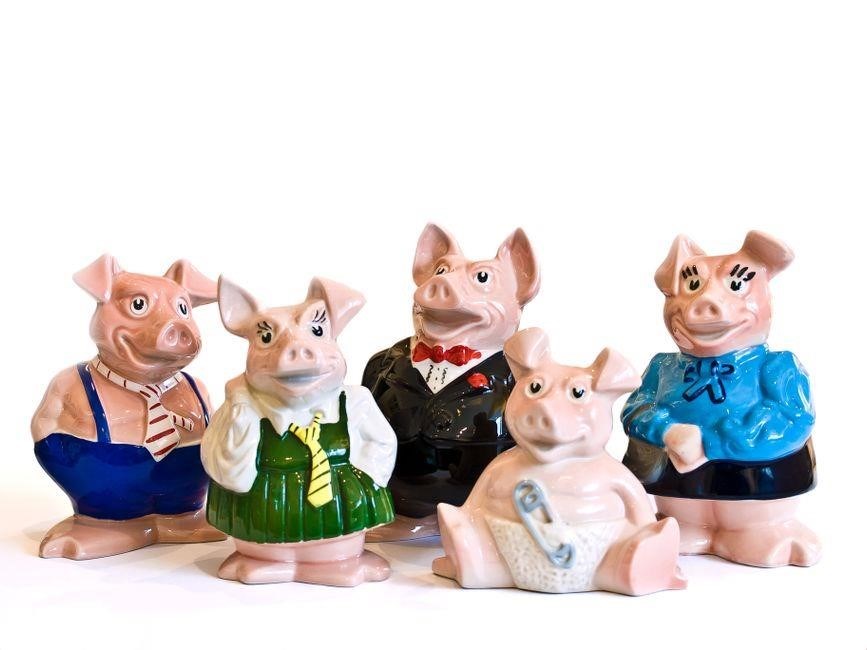
Designed for early readers‚ the Three Little Pigs PDF packet offers a playful blend of picture‑rich pages‚ simple matching games‚ and short sentence prompts that reinforce phonics and early literacy. The packet begins with a large‚ illustrated storybook version of the classic tale‚ followed by a set of color‑by‑number activities that teach counting and color recognition while reinforcing the narrative. A matching exercise pairs each pig with its corresponding house material—straw‚ sticks‚ and bricks—helping students practice vocabulary and sequencing. The packet also includes a “find‑the‑difference” worksheet that encourages careful observation and fine‑motor skills. A short‚ guided reading section asks children to answer yes/no questions about the story’s events‚ fostering comprehension and recall. For 2nd‑grade learners‚ a simple word‑search puzzle introduces key terms such as “wolf‚” “house‚” and “straw.” The packet concludes with a craft activity: students cut out paper houses and paste them onto a background‚ creating a three‑dimensional scene that reinforces spatial awareness. All materials are downloadable as a single PDF‚ printable‚ and ready for classroom or home use. The design follows early‑learning standards‚ and the PDF is compatible with most learning‑management systems. Parents can easily print the packet to reinforce lessons at home‚ and teachers can use the included answer key for quick grading. Teachers can adapt the activities to fit diverse learning style and pacingnow.
Download Platforms and Legal Considerations
Download Three Little Pigs PDFs from official publisher sites‚ public domain archives‚ or Creative Commons libraries. Verify copyright status before use. Free versions are available on Project Gutenberg and Open Library. Paid editions can be purchased via Amazon or directly from the publisher now. Enjoy!!!!
Official Publisher Sites
For authentic Three Little Pigs PDFs‚ begin at the publisher’s own portals. Penguin Random House offers the classic illustrated edition for all ages as a downloadable PDF for educators and parents. Scholastic hosts the modern “Upside‑Down” adaptation‚ complete with interactive worksheets. HarperCollins provides a free PDF of the original tale after a brief email sign‑up. The International Children’s Bookstore lists the title in its digital collection‚ with options to purchase a PDF license for classroom use. Audible links to a companion PDF with chapter summaries and vocabulary lists. All sites ensure the PDFs are legally licensed‚ with clear usage rights for educational settings. Verify licensing terms: some PDFs are free for personal use‚ others require a paid license for classroom distribution. Keep a copy of the license agreement for compliance. By using these official channels‚ you guarantee accurate‚ up‑to‑date content free from copyright infringement. PDFs are often available in multiple formats‚ such as PDF‑A for long‑term preservation‚ and some sites offer a “read‑online” viewer that syncs with the PDF download. For teachers‚ many publishers provide teacher’s guides that accompany the PDF‚ offering lesson plans‚ discussion questions‚ and assessment rubrics. Parents can also find printable activity sheets bundled with the PDF‚ allowing them to reinforce reading skills at home. Finally‚ check for updates or new editions on the publisher’s site‚ as many companies release
Public Domain and Creative Commons Options
Many classic renditions of Three Little Pigs are now in the public domain‚ allowing educators and parents to download and distribute PDFs without licensing fees. The original folk narrative‚ first recorded in the early 1900s‚ can be found on Project Gutenberg‚ the Internet Archive‚ and Open Library‚ all offering free PDF downloads. These versions are typically formatted with simple illustrations or plain text‚ making them ideal for printable worksheets or classroom reading. Creative Commons‑licensed adaptations also exist. For instance‚ the “Upside‑Down” version by Jon Scieszka is available under a CC‑BY license on the author’s personal website‚ permitting non‑commercial use with attribution. Similarly‚ several fan‑made retellings are shared under CC‑0‚ meaning they are in the public domain and can be modified or repurposed freely. When using these resources‚ always verify the specific license attached to the PDF; some Creative Commons licenses require attribution‚ others prohibit commercial use‚ and some allow modifications. Downloading from reputable sites such as the Creative Commons Search portal or the CC‑BY‑SA collection ensures that you are accessing legally compliant PDFs. For classroom use‚ teachers can safely incorporate these PDFs into lesson plans‚ create custom worksheets‚ or distribute them to students‚ knowing that no copyright infringement will occur. Additionally‚ many public‑domain PDFs are available in PDF‑A format‚ which preserves the file for long‑term archive
Use in Classroom Settings
Teachers use Three Little Pigs PDFs for reading comprehension‚ vocabulary drills‚ and creative writing. Students annotate the story‚ identify plot points‚ and create their own house designs. Digital PDFs allow interactive quizzes and printable worksheets‚ enhancing engagement for all ages. Enjoy reading!!!!
Reading Comprehension Strategies
Before opening the PDF‚ students scan the title‚ author‚ and illustrations to activate prior knowledge. They note key words such as “straw‚” “brick‚” and “wolf‚” then predict how these elements might influence the plot. This preview step primes the mind for deeper engagement.
During reading‚ students use the PDF’s highlighted text to identify main events. They ask “why” questions about each pig’s choice‚ then answer using evidence from the page. This questioning cycle builds critical thinking and supports EBL skills like inference and analysis.
After finishing‚ students summarize the story in their own words‚ highlighting the moral lesson about planning and perseverance. They then compare the PDF version to other media‚ noting differences in tone and detail‚ which deepens critical analysis and enhances comprehension.
Teachers can incorporate digital annotation tools‚ letting students highlight key phrases and add sticky notes directly within the PDF. This collaborative reading practice encourages peer discussion and shared insights‚ reinforcing comprehension through active engagement.
Finally‚ students create a visual timeline or storyboard of the pigs’ journey‚ using the PDF as a reference. This graphic organizer helps them sequence events‚ identify cause and effect‚ and retain key details‚ reinforcing long‑term retention and critical thinking skills.
These strategies turn the classic tale into a skill‑building adventure for all learners.
Skill Development Focus (EBL Skills)
In the Three Little Pigs PDF‚ educators target eight essential EBL skills: comprehension‚ inference‚ vocabulary‚ sequencing‚ cause‑effect‚ moral reasoning‚ creativity‚ and digital literacy. Students first annotate the PDF‚ marking unfamiliar words and noting context clues. They then discuss in pairs‚ using the text to support their interpretations‚ which strengthens collaborative reasoning.
Next‚ learners construct a cause‑effect diagram of the pigs’ building choices‚ linking each material to the wolf’s actions. This visual mapping reinforces logical reasoning and helps students predict outcomes in similar narratives. The PDF’s interactive features allow students to drag and drop elements‚ fostering hands‑on digital engagement.
To deepen critical thinking‚ teachers prompt students to rewrite the ending in a modern setting‚ encouraging creative writing while maintaining the core lesson about planning. Students then peer‑review each other’s drafts‚ applying constructive feedback skills and refining their arguments.
Finally‚ the PDF includes a reflection worksheet where learners assess how the story’s moral applies to real‑life scenarios. This metacognitive activity promotes self‑awareness and goal‑setting‚ key components of EBL. By integrating these eight skills‚ the Three Little Pigs PDF becomes a comprehensive tool for developing well‑rounded learners.
In addition‚ the resource offers a vocabulary list with definitions‚ a set of comprehension questions that require evidence‑based answers‚ and a graphic organizer for mapping character motivations. Teachers can use the PDF’s embedded hyperlinks to direct students to supplementary videos‚ thereby expanding their multimedia literacy. The combination of textual analysis‚ interactive tasks‚ and reflective practice ensures that learners not only enjoy the classic tale but also acquire transferable skills that support lifelong learning.
Supplementary Media and Adaptations
Beyond the static PDF‚ a variety of multimedia resources enrich the Three Little Pigs experience. Audio dramatizations‚ such as the BBC’s narrated version‚ allow students to hear the story’s rhythm and intonation‚ supporting listening comprehension. Interactive e‑books on platforms like Epic! let learners click on characters to reveal facts‚ fostering engagement and reinforcing vocabulary. Video adaptations—ranging from the classic Disney short to the contemporary “Upside‑Down Story” by Jon Scieszka—offer visual storytelling that can be paused for discussion or used as a prompt for creative writing assignments. Digital games‚ such as the “Build a House” puzzle on education.com‚ challenge learners to apply sequencing skills while selecting appropriate building materials. For teachers seeking open‑access options‚ the public domain version hosted by Project Gutenberg includes a downloadable audio file and a printable worksheet pack. Creative Commons adaptations‚ like the illustrated version by Ichthus Academy‚ provide editable PDFs that can be customized for classroom use. Integrating these media supports multimodal learning‚ catering to auditory‚ visual‚ and kinesthetic learners while reinforcing the core lesson about planning and resilience.
A reflection prompt asks students to compare the pigs’ choices with real‑life decisions‚ encouraging critical thinking and empathy. This activity pairs with a digital storyboard. for learning! now