Free counted cross‑stitch PDFs let hobbyists print or digitize designs. Sites like Cross Stitched and 123Stitch offer thousands of patterns, from motifssto scenes, without cost. PDFs include stitch counts, symbols, and quick layouts.
What Are Counted Cross Stitch Patterns?
Counted cross‑stitch patterns are grids that specify the exact number of stitches needed for each color, allowing stitchers to gauge progress and plan thread usage. The grid is usually printed on Aida or canvas and each square corresponds to a single stitch. Designers mark each square with a letter or symbol that matches a thread color in the accompanying chart. This system makes it possible to print the pattern on paper, transfer it to fabric, or load it into digital stitching software. Because the stitch count is known beforehand, you can calculate how many threads you’ll need, estimate the time required, and avoid over‑stitching. Free PDF versions of these patterns are widely shared on sites such as Cross Stitched and 123Stitch, where you can download thousands of designs ranging from simple motifs to complex scenes. The PDFs often include a legend, stitch count, and sometimes a printable canvas, making them ideal for both beginners and experienced stitchers who prefer a clear, pre‑measured layout. These PDFs often include a color key that matches thread codes, so you can pick the right thread from a brand’s catalog. The pre‑measured layout lets you print on any Aida or canvas size while keeping the stitch count accurate. Many designers also offer a printable canvas with the pattern already traced, saving time for those who prefer a ready‑to‑stitch sheet. They provide canvas for setup Enjoy. These free PDFs let stitchers levels daily explore themes, from florals to abstracts, ensuring creativity.
Advantages of Using PDF Formats for Cross Stitch
PDFs offer instant access, high‑resolution prints, and easy scaling. They preserve stitch counts, symbols, and color charts, letting you print on any Aida or canvas size. Digital tools can import PDFs for precise layout, saving time and reducing errors. They also support annotations and share
Easy Printing and Customization
Free counted cross‑stitch PDFs are a staple for hobbyists who value convenience and precision. The PDF format keeps every stitch count, color key, and symbol legend intact, so you can print the design at any scale without losing detail. Most free pattern sites offer a “Print” button that opens a printable view with adjustable margins, allowing you to fit the pattern on a single sheet of Aida, canvas, or even a larger canvas for a statement piece. Because the PDF is vector‑based, you can zoom in or out, change the paper size, or add a border before printing, ensuring the final layout matches your chosen fabric. Many sites also provide a “print‑ready” file that includes a color chart, stitch count table, and optional background grid. This makes it easy to print the pattern directly onto the fabric using a lightbox or tracing paper, or to import the PDF into a digital embroidery program for precise stitch placement. The ability to customize the PDF—by selecting a different paper size, adjusting the scale, or adding your own notes—means you can tailor the pattern to your skill level and project size. For beginners, the printable PDF often comes with a step‑by‑step guide, while advanced users can tweak the design to create a unique variation. Overall, the PDF format provides a flexible, user‑friendly way to bring free counted cross‑stitch patterns from screen to stitch. for, from gifts to wall art, creativity now.! With PDF patterns, can print onto fabric or use them as a guide for digital embroidery;
How to Find Free PDF Patterns Online
Begin by visiting sites like Cross Stitched and 123Stitch, where free PDF patterns are listed under dedicated sections. Use search filters for “free” or “PDF” and browse designer collections. Download, unzip, and print the PDF directly for instant stitching. Add a border for framing. and a title!!
Popular Sources and Their Features
Cross Stitched hosts a curated library of over 1,400 free PDFs, each tagged with stitch count, size, and designer. The site offers a straightforward download button and a printable preview. 123Stitch provides a similar catalog but emphasizes community submissions and seasonal collections. Free Pattern Hub aggregates patterns from multiple designers, allowing users to filter by theme, difficulty, and thread color. StitchItOnline offers a subscription‑free section where users can download PDFs and receive occasional updates via email. The free section of CraftyThreads includes printable templates and a forum for sharing tips. Each platform provides metadata such as pattern number, dimensions, and recommended thread count, enabling seamless integration with both traditional and digital stitching tools.
Each platform also offers search filters by color palette, difficulty level, and year of release, making it easier for beginners to find suitable projects. Many sites provide free preview images and a quick‑look stitch count, allowing stitchers to estimate time and thread usage before committing. Additionally, community forums and comment sections enable users to exchange tips, share finished works, and request pattern modifications, fostering a collaborative environment for hobbyists worldwide. All resources are updated monthly for you.
Symbols in Pattern Catalogs Explained
Symbols guide: W=PDF print, GC/GU=colorful A4, S=app pattern, K=canvas 44/10, AN=Aida 54/10, Z=thread set with plain Aida, ZN=thread set with printed Aida. Use these codes to choose format, thread, and print size. These codes help you quickly identify the required fabric, thread type, and print.
Understanding W, GC/GU, S, K, AN, Z, ZN Symbols
When browsing free PDF patterns, designers embed shorthand codes beside each pattern number. These markers instantly reveal the file’s format, recommended fabric, and thread set. The most common symbols are: W – a plain PDF ready for self‑printing; GC/GU – a colorful design printed on A4 paper, usually with a 54/10 Aida backing; S – a pattern optimized for the Coricamo mobile app, allowing you to stitch directly on your phone; K – a canvas print with a 44/10 stitch count, ideal for beginners; AN – a printed Aida sheet at 54/10, often paired with a matching thread set; Z – a complete kit that includes plain Aida, Ariadna thread, and the pattern itself; ZN – similar to Z but with a printed Aida sheet instead of plain. Knowing these codes saves time, prevents mis‑stitching, and ensures you choose the right material for each project.
For example, a pattern marked with ZN indicates that the print comes on a 54/10 Aida sheet, so you should use Ariadna thread; a K pattern uses canvas backing, while a GC/GU pattern is for a colorful A4 print that may need a different thread density. When you print a PDF, the symbol tells you whether to use plain paper, a colored A4 sheet, or canvas backing, and which thread density to match the designer’s scale. Digital stitchers can import the same symbols into software, ensuring the virtual pattern aligns with the physical one. care.!!!OK!!
Top Free Pattern Websites to Explore
Cross Stitched offers a curated library of free PDFs, while 123Stitch provides a vast array of independent designs. Both sites feature searchable categories, clear stitch counts, and downloadable files in PDF or PCStitch format. Explore, print, and stitch with confidence. and enjoy creative freedom. now
Cross Stitched and 123Stitch Highlights
Cross Stitched and 123Stitch offer unique benefits for free PDF cross‑stitch lovers. Cross Stitched’s clean interface features a dedicated “Free Patterns” section, letting users filter by theme, stitch count, or difficulty. Every PDF includes a legend, printable grid, and sometimes a printable Aida sheet. The search function supports keyword queries, making it easy to find niche motifs like vintage botanical prints or contemporary abstract shapes. A “Pattern of the Day” feature spotlights a new free design daily, encouraging regular exploration.
123Stitch is known for its expansive library and community‑driven approach. The platform hosts over 1,400 free patterns, many contributed by hobbyists. Navigation is organized into categories such as “Animals,” “Floral,” “Holiday,” and “Seasonal,” each containing thousands of PDFs. 123Stitch also offers downloadable PCStitch (.pat) files for digital embroidery machines, alongside the standard PDF format. Users can rate patterns, leave comments, and request custom variations, fostering interaction. The “Top 100” list showcases popular free designs, providing a quick way to find tried‑and‑true favorites. Both sites host forums where stitchers share tips and showcase projects, adding social value. Enjoy the creativity!
File Types and Compatibility Considerations
PDFs are universal, print‑ready, and compatible with most software. PCStitch (.pat) files integrate with digital machines, offering stitch‑by‑stitch guidance. Choose PDF for quick printing; choose .pat for automated stitching. Both formats support color legends and stitch counts. Enjoy stitching!.
PDF vs. PCStitch (.pat) for Digital Stitching
PDF files are the most widely accepted format for printed cross‑stitch patterns. They preserve the original layout, stitch count, and color legend, making them ideal for hand‑stitching or for use with a computer‑controlled embroidery machine that accepts a PDF as a source file. The file is lightweight, can be opened on any operating system, and is easily shared via email or cloud storage.
PCStitch (.pat) files, on the other hand, are specifically designed for the PCStitch embroidery software. They contain machine‑readable data that allows the software to generate a stitch path, automatically place thread changes, and even simulate the finished piece. When using a .pat file, the designer can embed additional metadata such as stitch density, thread color codes, and fabric type, which the software can interpret to produce a more accurate digital stitch output.
Choosing between the two depends on your workflow. If you prefer a quick printout or want to stitch manually, PDF is the best choice. If you want to stitch directly onto fabric using a digital embroidery machine, converting the pattern to .pat or downloading a native .pat file from a site like 123Stitch will give you a smoother, more precise result. Many free pattern sites now offer both formats, so you can decide which suits your project.
Fabric, Thread, and Printing Tips for Accuracy
Choose 54/10 Aida for stitches; use high‑density thread (e.g., DMC 300) to avoid gaps. Print on matte paper to reduce bleed. Set margins 0.5 in, scale 1:1, verify stitch count before cutting. Keep fabric taut and use light‑weight needle. Enjoy.
Scale, Margins, and Paper Quality Advice
When printing free counted cross‑stitch PDFs, start by setting the scale to 1:1 to preserve stitch size. Use a ruler to mark a 0.5‑inch margin on all sides; this prevents the pattern from cutting off during trimming. Select high‑quality, matte printer paper with a weight of at least 70 lb (90 gsm) to reduce ink bleed and maintain crisp lines. If you prefer a more durable surface, try thick cardstock or a lightweight canvas sheet, but ensure the printer’s settings match the paper type. After printing, allow the ink to dry completely before handling. For large designs, consider printing in sections and aligning them with a template to keep the overall layout intact. Always test a small area first to confirm that the stitch count and spacing appear as expected. Proper scaling, clear margins, and suitable paper will give you a clean, accurate base that makes the stitching process smoother and the finished piece more professional. Tip: If your printer uses a duplex mode, print only on the front side to avoid ghosting. For archival quality, consider using a lightbox to trace the pattern onto the fabric before stitching. Keep a reference sheet nearby to double‑check stitch counts during the project. When cutting the fabric, use a sharp rotary cutter to maintain straight edges. Finally, after stitching, wash the piece gently with cold water and mild detergent, then air‑dry flat to preserve the design’s integrity. Use a ruler double‑check rows.!!
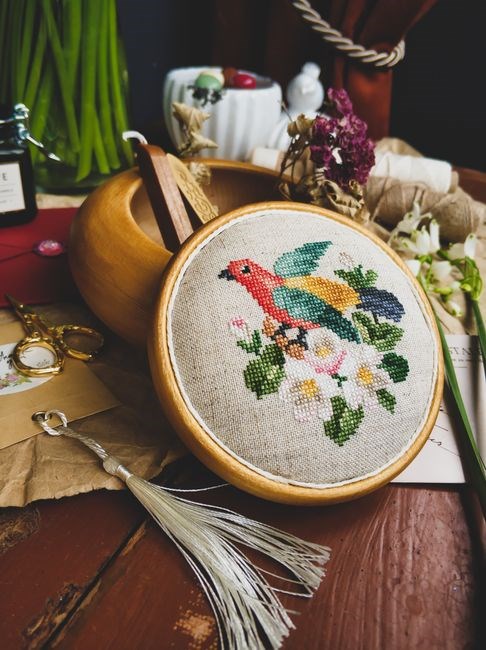
Beginner-Friendly Strategies and Stitching Workflow
Choose simple, low‑density designs. Print the PDF at 1:1 scale, cut the fabric, and pin the pattern. Use a 10‑12 needle and matching thread; Work in small sections, double‑check stitch counts, then finish with a neat edge handynow now quick!!
Selecting Simple Designs, Preparing, Stitching, and Finishing Steps
When starting with free counted cross‑stitch PDFs, pick motifs that use a limited color palette and have clear, large symbols. Search for “W” or “S” patterns on sites like Cross Stitched; they’re designed for beginners. Print the PDF at 1:1 scale, ensuring the paper is matte and non‑glossy to reduce glare. Cut a 2‑inch border of the chosen fabric, then pin the pattern to the center, aligning the edges. Thread a 10‑12 needle with a thread color that matches the first symbol; keep a spare thread in a matching spool to avoid color confusion. Begin stitching from the top left, following the numbered grid, and double‑check counts after every 50 stitches. Use a small, consistent stitch length to keep the fabric flat. When you reach the edge, trim excess thread, then use a small embroidery needle to weave the ends back into the fabric. Finally, wash the piece in cool water, lay flat to dry, and press lightly with a clean cloth to remove any puckering. Store the finished work in a cool, dry place to preserve color vibrancy.
Remember to keep the work protected from light, use a light‑proof storage box, and consider framing with UV‑resistant glass to preserve the colors for years. Also, keep a small reference sheet of thread colors handy to avoid mis‑stitching. Enjoy the creative journey! Finally, after completing each row, check the overall balance of colors to ensure a balanced look before moving on to the next section