Wow Cata Leatherworking Guide: A Comprehensive Plan
Embark on a journey to master Leatherworking in Cataclysm! This guide details leveling, crafting, profitable items, and maximizing your gains within WoW’s dynamic world.
Cataclysm’s Leatherworking revamp introduces significant changes, demanding a fresh approach to skill progression and crafting strategies. The world overhaul brought new zones, materials, and recipes, altering the profession’s landscape. This guide navigates these shifts, offering a comprehensive roadmap for success. Expect increased competition at the Auction House and a focus on maximizing profits through strategic crafting. Mastering Leatherworking in Cataclysm requires adaptability and a keen understanding of market demands, ensuring you thrive in this evolving environment.
Why Choose Leatherworking?
Leatherworking offers substantial rewards in Cataclysm, providing gear for Agility-based classes like Hunters, Rogues, and Druids. Beyond personal use, crafted items are highly sought after, creating lucrative Auction House opportunities. The profession’s synergy with Skinning allows for self-sufficiency in material acquisition, reducing costs. Furthermore, Leatherworking unlocks unique items like Drums of the Elements, valuable for raid support, making it a versatile and profitable choice for dedicated players.
Leatherworking Specializations
Cataclysm Leatherworking presents a key specialization choice: Drumming or Modeling. Drumming focuses on crafting Drums of the Elements, providing raid utility and consistent gold income. Modeling centers on creating high-quality armor, catering to player gear needs and auction house demand. Your specialization impacts available recipes and crafting efficiency, so consider your playstyle and market preferences when making this crucial decision.
Drumming vs. Modeling
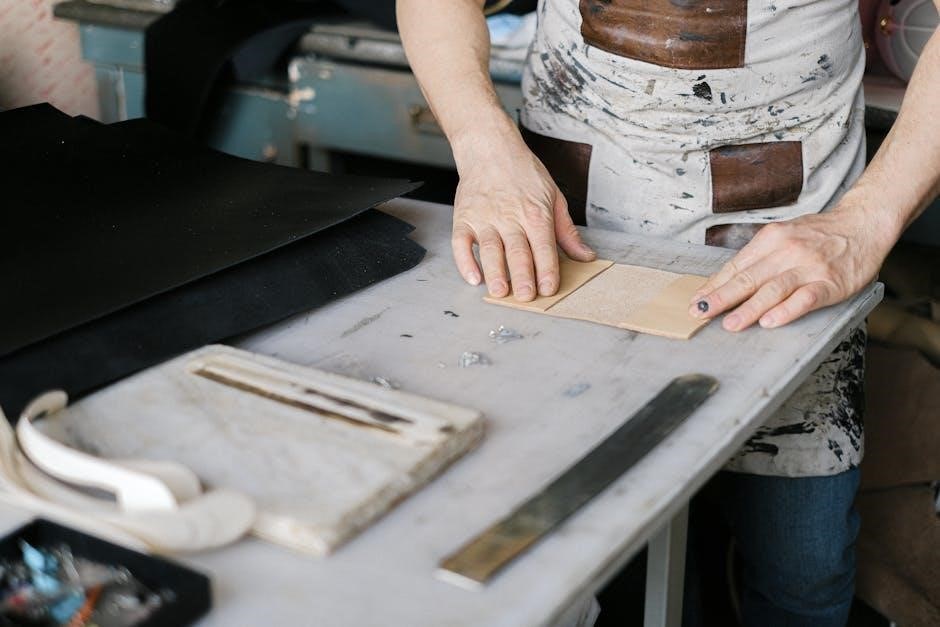
Drumming excels in consistent, reliable income. Drums of the Elements are raid consumables, guaranteeing sales, though profit margins are moderate. Modeling offers higher potential profits through crafted armor, but relies on market fluctuations and competition. Modeling requires more material investment and skill, while Drumming is simpler and more accessible. Choose Drumming for stability, Modeling for risk/reward.
Essential Materials for Cataclysm Leatherworking

Cataclysm Leatherworking demands a steady supply of various materials. Primarily, you’ll need diverse leathers – Borean, Frosthide, and later, heavier options like Volcanic and Dragonscale. Crucially, you’ll also require threads, pigments, and occasionally, exotic materials like scales or hides from specific creatures. Efficient gathering or smart auction house purchases are vital for success.
Types of Leather
Cataclysm introduces a tiered leather system. Borean Leather is entry-level, sourced from northern creatures. Frosthide Leather follows, obtained from colder zones. As you level, Volcanic Leather becomes essential, requiring farming in fire-themed areas. Finally, Dragonscale Leather, the most sought-after, drops from dragons and is crucial for endgame crafting. Understanding these tiers is key to efficient progression.
Other Required Resources
Beyond leather, several resources fuel Cataclysm Leatherworking. You’ll need various ores – Iron, Silver, and Titanium – for crafting tools and embellishments. Cloth scraps, obtained from tailoring or drops, are also vital. Don’t forget about elemental materials like Fire, Water, and Air motes, gathered from elemental mobs. Finally, always stock up on Thread and various crafting reagents!
Leveling Leatherworking 1-300
Reaching 300 in Cataclysm Leatherworking requires a strategic approach. Early levels focus on basic hides and simple crafts, maximizing skill-ups with readily available materials. Mid-leveling introduces more complex patterns and requires venturing into new zones for resources. The final stretch demands efficient farming and utilizing daily cooldowns to accelerate progress towards the coveted 300 skill level.
Early Leveling (1-150)
Begin your Leatherworking journey by focusing on readily available hides. Utilize Light Leather and crafting simple items like Leather Bracers and Belts. Prioritize quests offering Leatherworking experience and consistently check vendor stock for patterns. Efficiently gather hides from low-level beasts in starting zones to minimize material costs and maximize early skill gains. Consistency is key!
Mid-Leveling (150-250)
Transition to crafting heavier leathers like Medium and Heavy Leather. Focus on patterns yielding higher skill gains, such as Reinforced Leather Armor and various hide pouches. Explore auction house opportunities for cheaper materials, but balance cost with convenience. This phase requires more strategic material acquisition and efficient recipe selection for optimal leveling speed and profit.
Late Leveling (250-300)
The final stretch demands consistent crafting of high-end items! Prioritize patterns for Dragonscale and Clawhide Leather gear, focusing on maximizing skill-ups per craft. Utilize daily cooldowns like Drum of the Elements to enhance material efficiency. Auction house vigilance is crucial for sourcing rare components, and consider reputation gains for exclusive recipes.
Key Recipes and Crafting Opportunities
Cataclysm Leatherworking unlocks diverse crafting paths! Leveling recipes focus on efficient skill gains using readily available materials. Explore profitable options like Dragonscale armor pieces and high-demand bags. Mastering patterns for raid and dungeon gear provides substantial gold income. Don’t overlook the value of crafted PvP items and specialized leather components for other professions.
Leveling Recipes
Efficient leveling relies on strategic recipe choices! Early on, focus on crafting Light Leather Bracers and similar low-cost items. Mid-range progression benefits from Heavy Hide armor components. Later, prioritize recipes requiring Volcanic Leather and crafting Dragonscale items. Regularly check the Auction House for material prices to maximize profit while gaining skill points, ensuring a smooth climb to 300.
Profitable Crafted Items
Maximize your gold with in-demand crafts! Dragonscale Leggings and Pauldrons consistently sell well, especially with desirable stats. Crafted bags, like the Azureweave Satchel, are always in demand. Don’t overlook elemental drum crafting – a reliable income source. Monitor Auction House trends and adjust production based on server needs for optimal profitability, adapting to fluctuating demands.
Leatherworking Daily Cooldowns
Leverage daily cooldowns for consistent gains! The Drum of the Elements provides valuable elemental materials, crucial for various crafts and selling opportunities. Utilize Modeling Patterns daily to create unique items. Efficient cooldown management is key; plan your crafting schedule to maximize resource acquisition and production, ensuring a steady flow of materials and finished goods.
Drum of the Elements
The Drum of the Elements is a daily cooldown essential for Leatherworkers. It yields a random elemental material – Fire, Water, Air, or Earth. These are vital components in many Cataclysm recipes, particularly for high-demand crafted items. Selling these elements on the Auction House provides consistent income, supplementing your crafting profits and boosting overall earnings.
Modeling Patterns
Leatherworking’s daily Modeling Patterns cooldown allows crafting unique, sought-after items. These patterns often create gear with desirable stats, appealing to players gearing for dungeons and raids. Successfully utilizing this cooldown requires understanding current market demands and efficiently crafting items that sell quickly. Mastering pattern acquisition and usage is key to maximizing profit.
Leatherworking and Raid/Dungeon Gear
Cataclysm Leatherworking excels in providing gear for challenging content. Crafted items offer viable options for Heroic dungeons, bridging gaps in equipment. While raid-quality gear requires higher skill levels and rare materials, skilled Leatherworkers can contribute significantly to raid teams. Focusing on stat weights and current raid needs maximizes the value of crafted pieces, ensuring consistent demand.
Crafted Gear for Heroic Dungeons
Leatherworking provides excellent gear for tackling Heroic dungeons in Cataclysm. Focusing on crafted bracers, belts, and boots offers substantial stat boosts. These items are frequently sought after by players gearing up for five-man content. Prioritize crafting gear with desirable stats like agility, stamina, and critical strike chance to maximize sales and player satisfaction. Regular updates to recipes ensure relevance.
Crafted Gear for Raids
Leatherworking can contribute to raid gearing, though it’s more niche than tanking or DPS gear. Crafted items like belts and boot enchants provide valuable stat increases. Focus on crafting items with hit rating, expertise, and agility. While not BiS (Best in Slot), crafted pieces fill gaps and offer viable alternatives. Regularly check raid compositions to tailor crafting towards specific needs and maximize profitability.
Leatherworking Reputation Rewards
Building reputation with factions unlocks unique Leatherworking recipes and patterns. The Kurenai and Mag’har factions offer valuable rewards, including powerful crafting materials and exclusive designs. Reaching exalted status grants access to sought-after items, enhancing your crafting capabilities. Prioritize these factions to gain a competitive edge and expand your crafting repertoire, boosting both profit and gear quality.
Kurenai/Mag’har Leatherworking
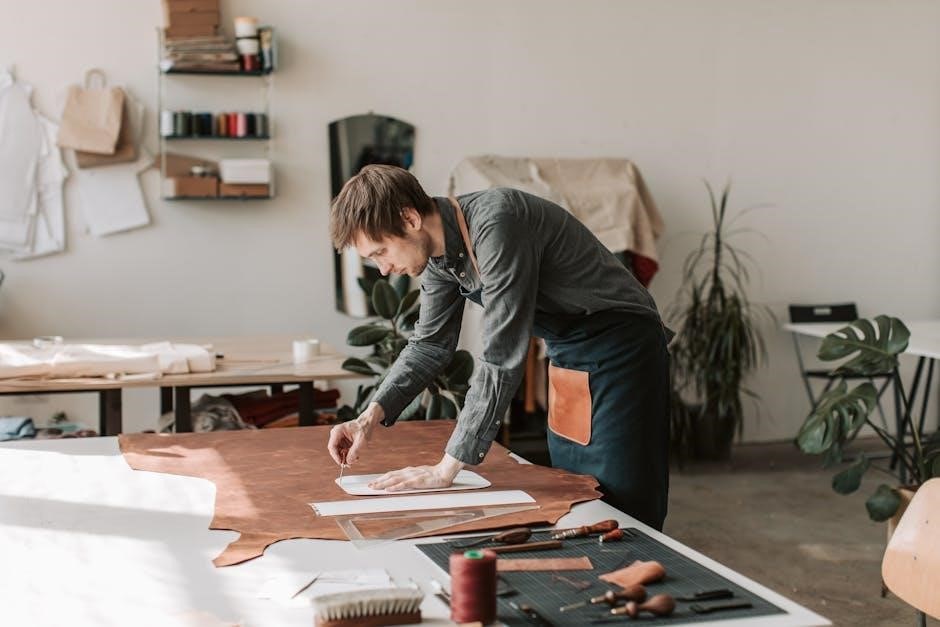
The Kurenai and Mag’har offer distinct Leatherworking benefits. Focusing on these factions provides access to durable, high-quality leather and unique patterns for crafting resilient gear. Reputation gains unlock recipes for sought-after items, ideal for both personal use and auction house sales. Prioritize daily quests and turn-ins to maximize reputation, securing a crafting advantage in Cataclysm.
Utilizing Leatherworking to Maximize Profit
Smart market strategies are key to Leatherworking profits. Regularly monitor Auction House prices for both materials and crafted items, identifying lucrative opportunities. Focus on crafting gear with high demand, like raid or dungeon equipment. Efficient material farming, combined with strategic listing times, will significantly boost your gold income and establish you as a successful crafter.
Auction House Strategies
Mastering the Auction House is crucial for profit. Utilize addons to track price fluctuations and identify undercutting opportunities. Consider selling in stacks to attract buyers, and relist items during peak hours. Don’t be afraid to experiment with pricing – slightly lower can mean faster sales. Monitor competitor activity and adjust accordingly for maximum returns.
Material Farming Tips
Efficient material gathering is key to success. Focus on zones with high beast density, like Uldum and Mount Hyjal, for leather and scales. Utilize tracking abilities and consider a fast mount. Skinning synergy with a hunter or warrior is highly beneficial. Remember to check vendor prices – sometimes buying is cheaper than farming!
Leatherworking Glyphs
Glyphs offer customization and profit potential. Acquire glyphs from daily quests, trainers, or the Auction House. Popular choices include Glyphs of Dragonscale, Gorillastep Boots, and Stonehide Armor. Research current market demands to identify profitable glyphs to craft and sell. Regularly update your knowledge as glyph popularity shifts with class balance changes.
Glyph Acquisition
Securing glyph recipes requires dedication. Daily quests offered by Leatherworking trainers are a primary source. Check your trainer regularly for new glyphs! Some are also available as rare drops from skinning beasts or purchased directly from the Auction House. Researching which trainers offer specific glyphs saves valuable time and effort.
Popular Glyph Choices
Glyphs significantly enhance Leatherworking capabilities. For leveling, prioritize Glyph of Economical Furs to reduce material costs. Glyph of Rapid Design speeds up crafting. Endgame focuses on Glyph of the Dragonscale Leggings and Glyph of Stonehide Leggings, boosting crafted gear quality. Market demand dictates profitability, so monitor Auction House trends for optimal glyph selection.
Leatherworking Trainers and Locations
Finding skilled trainers is crucial for progression. Orgrimmar’s Master Leatherworker, Borin Stoneskin, teaches recipes up to skill 230. For 230-300, travel to Shattrath City and seek out Master Leatherworker, Gronn. Remember to check for updated trainer locations post-Cataclysm changes. Utilize online resources like Wowhead for precise coordinates and trainer availability.
Troubleshooting Common Issues
Facing roadblocks? Material scarcity is common; explore auction houses and farming spots diligently. Recipe unavailability often stems from reputation requirements or missing trainer unlocks. Double-check your standings with relevant factions like Kurenai/Mag’har. Utilize online databases to confirm prerequisites. Remember, patience and resourcefulness are key to overcoming crafting challenges!
Material Scarcity
Leatherworking demands consistent material flow. When facing shortages, diversify your sourcing! The Auction House is a prime, though potentially costly, option. Efficient farming routes for specific leathers are crucial; research optimal zones. Consider alts dedicated to Skinning for self-sufficiency. Monitor market trends – prices fluctuate! Patience and adaptability are vital when materials are limited.
Recipe Availability
Acquiring recipes is key to progression. Many recipes are learned from trainers, requiring specific skill levels. Others are vendor-sold, often in major cities or near relevant zones. Don’t overlook reputation rewards – factions unlock exclusive patterns! The Auction House can offer rare recipes, but at a premium. Research recipe locations beforehand to save time and gold!
Leatherworking Alternatives and Synergies
Synergies boost your profits! Skinning is a natural partner, providing raw materials directly. Engineering offers unique opportunities, like crafting durable gear components. While not essential, these pairings streamline production. Alternatively, consider tailoring for cloth armor options. Focusing solely on Leatherworking is viable, but combining professions maximizes resource control and income potential.
Skinning Synergy
Skinning and Leatherworking are a perfect match! Skinning provides the core materials – various leathers – needed for all Leatherworking crafts. This eliminates reliance on the Auction House for base resources, significantly reducing costs and increasing profit margins. Leveling both simultaneously ensures a steady supply, fostering self-sufficiency and efficient production throughout Cataclysm.
Engineering Synergy
Engineering complements Leatherworking surprisingly well! Engineers can craft various gadgets and tools that aid in material gathering, like mining tools boosting node visibility. Furthermore, certain Engineering consumables can temporarily increase skill levels, potentially aiding in difficult Leatherworking recipes. While not as direct as Skinning, the synergy offers unique advantages for the resourceful crafter.
Changes in Leatherworking from Previous Expansions
Cataclysm dramatically overhauled Leatherworking! The introduction of multi-slot crafting allowed for more complex item creation. New leather types and recipes were added, shifting the focus towards raid and dungeon gear. Daily cooldowns, like Drum of the Elements, became crucial for profit. The specialization system—Drumming versus Modeling—introduced distinct crafting paths, demanding focused skill development.
Future of Leatherworking in World of Warcraft
Leatherworking’s future hinges on Blizzard’s design philosophy. Potential updates could introduce new leather sources, crafting specializations, or gear tiers. Community feedback consistently requests more unique cosmetic options and impactful profession bonuses. Balancing profitability with accessibility remains key. Expect continued integration with other professions, fostering synergistic gameplay and expanding crafting possibilities within the evolving WoW landscape.
Potential Updates and Changes
Future updates might focus on diversifying leather types and crafting recipes. Introducing new, raid-specific leather could boost demand. Expanding customization options for crafted gear, like stat weighting, is also possible. Blizzard could implement profession-specific quests offering unique rewards. Further integration with the Dragonflight crafting order system, or similar, could streamline material acquisition and enhance player engagement.
Community Feedback and Trends
Players consistently request more viable crafting alternatives to raiding for gear. A prevalent trend is demand for increased profitability through unique, sought-after items. Community discussions often center on streamlining material farming and reducing reliance on the Auction House. Many desire more impactful daily cooldowns and glyphs. Feedback suggests a need for better scaling with current endgame content, ensuring Leatherworking remains relevant.