Manual to Automatic Gearbox Conversion: A Comprehensive Guide
Embarking on a manual to automatic gearbox conversion is a significant undertaking, altering your vehicle’s driving dynamics and driver engagement profoundly.
This detailed guide explores every facet of this complex process, from initial assessment to long-term maintenance, ensuring a smooth and successful transition.
Vehicles are intricate systems, and the transmission, second only to the engine in complexity, dramatically influences the driving experience. As manual transmissions become less common, converting to automatic offers convenience, especially for daily commutes or drivers preferring simplified operation.
However, this conversion isn’t merely swapping parts; it requires careful planning, specialized tools, and potentially, professional expertise to ensure compatibility and optimal performance.
Gearbox conversions, specifically transitioning from a manual to an automatic transmission, represent a substantial modification to a vehicle’s core functionality. This process isn’t simply a component swap; it’s a systemic alteration impacting the drivetrain, electronics, and overall driving experience. Historically, manual transmissions offered drivers greater control and a more engaging connection with the vehicle, as evidenced by the exhilaration of precise gear changes in performance cars.
However, the automotive landscape is shifting. According to industry data, manual transmission sales have steadily declined over the past three decades, driven by a growing preference for the ease and convenience of automatic systems. This trend fuels the demand for conversions, allowing owners to modernize older vehicles or adapt them to their changing needs. The transmission, a remarkably complex piece of machinery, plays a crucial role in delivering power from the engine to the wheels.
Successfully navigating a manual-to-automatic conversion requires a thorough understanding of both transmission types, meticulous planning, and often, specialized tools and expertise. This guide will provide a comprehensive overview of the process, outlining the necessary steps, potential challenges, and considerations for a successful outcome.
Why Convert from Manual to Automatic?
The decision to convert from a manual to an automatic gearbox is often driven by a desire for increased convenience and ease of operation. For drivers facing daily commutes in congested traffic, an automatic transmission eliminates the repetitive actions of clutching and shifting, reducing fatigue and stress. This is particularly appealing as manual transmissions become less prevalent in modern vehicles, catering to a broader audience seeking simplified driving experiences.
Furthermore, a conversion can enhance a vehicle’s resale value, appealing to a larger pool of potential buyers who prefer automatics. While enthusiasts may cherish the control of a manual, the majority of drivers now prioritize comfort and accessibility. The transmission, a vital component, significantly impacts how a car drives and what’s demanded from the driver.
Finally, drivers with physical limitations may find an automatic transmission essential for safe and comfortable operation. Ultimately, the choice hinges on individual preferences and driving needs, balancing the engaging experience of a manual with the practicality of an automatic.
Vehicle Compatibility Assessment
Before initiating a manual to automatic gearbox conversion, a thorough vehicle compatibility assessment is paramount. Not all vehicles are suitable candidates, and attempting a conversion on an incompatible model can lead to significant challenges and costly failures. This assessment begins with verifying the physical space available within the transmission tunnel to accommodate the larger automatic gearbox.
Crucially, the engine’s output characteristics – torque and horsepower – must align with the specifications of the chosen automatic transmission. Furthermore, the vehicle’s existing drivetrain components, including the driveshaft and differential, may require modification or replacement to ensure proper functionality.
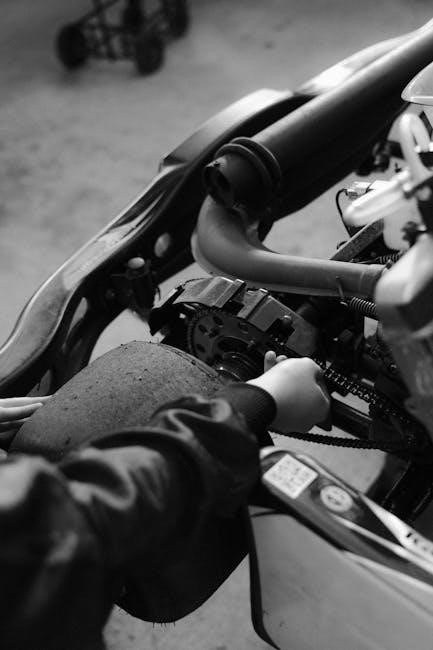
Investigating the availability of necessary components, such as mounting brackets, shifter assemblies, and wiring harnesses, is also vital. A detailed review of the vehicle’s computer (ECU) system is essential to determine if reprogramming or a standalone ECU will be required to manage the automatic transmission effectively.
Cost Analysis: Manual vs. Automatic Conversion
A realistic cost analysis is crucial before embarking on a manual to automatic gearbox conversion. The financial implications extend far beyond the initial price of the automatic transmission itself. While a manual gearbox represents a fundamental component, the conversion introduces a multitude of expenses that must be carefully considered.
The cost of the automatic gearbox can vary significantly based on its condition (new, rebuilt, or used) and the vehicle’s make and model. Additional expenses include the torque converter, shifter assembly, transmission cooler, and potentially, a modified driveshaft. Labor costs, if outsourcing the work, can be substantial, often exceeding the parts cost.
Don’t overlook the potential need for ECU reprogramming or a standalone ECU, along with wiring harness modifications. Factor in fluids, filters, and unforeseen issues that may arise during the conversion process. Comparing these costs against the value gained from the convenience of an automatic transmission is essential for informed decision-making.
Parts Required for the Conversion
Successfully converting from a manual to an automatic gearbox necessitates a comprehensive parts list. Beyond the obvious transmission swap, numerous supporting components are essential for a functional and reliable system. Careful sourcing and compatibility checks are paramount throughout this process.
The core component is, of course, the automatic gearbox itself, selected based on vehicle compatibility and desired performance characteristics. A torque converter, matched to the engine and transmission, is vital for power transfer. A new shifter assembly, complete with cables, replaces the manual setup.
Furthermore, a transmission cooler and associated lines are crucial for preventing overheating. Modifications to the pedal assembly are needed to remove the clutch pedal. A potentially modified driveshaft ensures proper length and connection. Finally, consider wiring harness components and potentially a new ECU for seamless integration.
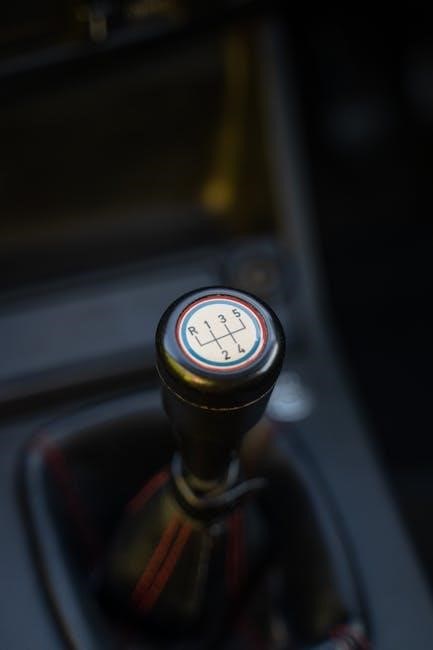
5.1 Automatic Gearbox Selection
Choosing the correct automatic gearbox is the cornerstone of a successful conversion. Compatibility with your vehicle’s engine and drivetrain is non-negotiable; a mismatch can lead to performance issues and potential damage. Consider the engine’s torque output – the transmission must be rated to handle it reliably.
Research gear ratios to ensure they align with your driving style and vehicle usage. Options range from traditional 4-speed automatics to more modern 6 or 8-speed units, each offering different characteristics. Sourcing a gearbox from a similar vehicle model can simplify the process, minimizing adaptation needs.
Don’t overlook the physical dimensions; the new transmission must fit within the available space. Thoroughly investigate mounting points and potential clearance issues before committing to a purchase. A used gearbox should be inspected for wear and tear.
5.2 Torque Converter Considerations
The torque converter is a critical component, hydraulically coupling the engine to the automatic gearbox. Selecting the right torque converter is paramount for optimal performance and efficiency. Stall speed, the rotational speed at which the converter begins to slip, is a key factor; higher stall speeds are suited for performance applications, while lower speeds prioritize fuel economy.
Ensure the torque converter is specifically designed for your chosen gearbox and engine combination. Matching the bolt pattern and spline count is essential for a secure fit. Consider a lock-up torque converter, which mechanically couples the engine and transmission at cruising speeds, improving fuel efficiency.
Inspect the torque converter for any signs of damage or wear before installation. A faulty torque converter can cause slipping, shuddering, and reduced performance.
5.3 Shifter Assembly and Cables
Transitioning to an automatic gearbox necessitates a complete shifter assembly and cable replacement. The original manual shifter mechanism is incompatible, requiring a new automatic shifter, console modifications, and appropriate cable routing. Ensure the shifter assembly is designed for your vehicle’s year, make, and model to guarantee proper fitment and function.
Carefully route the shift cables, avoiding exhaust components and moving parts to prevent damage or binding. Secure the cables properly to avoid interference with other systems. Consider the shifter’s style – column shift or floor shift – and choose an assembly that suits your preferences.
Verify the shifter’s detents align correctly with the transmission’s shift points for accurate gear selection. A misaligned shifter can lead to incorrect gear engagement and potential transmission damage.
5.4 Transmission Cooler Lines and Cooler
Automatic transmissions generate significant heat, demanding a dedicated cooling system. Unlike manual gearboxes, automatics require a transmission cooler to prevent overheating and fluid degradation. This typically involves installing an auxiliary cooler, often mounted in front of the radiator, and running new transmission cooler lines.
Proper line routing is crucial, avoiding exhaust components and chassis pinch points. Use high-quality, heat-resistant transmission cooler lines designed for automatic transmissions. Ensure secure connections to prevent leaks, which can lead to transmission failure.
The cooler’s size should be appropriate for your vehicle’s usage – larger coolers are recommended for towing or heavy-duty applications. Regularly inspect the cooler and lines for damage or leaks to maintain optimal transmission health.
Tools Needed for the Conversion
Successfully completing a manual to automatic gearbox conversion demands a comprehensive toolkit. Beyond standard automotive tools, specialized equipment is essential for a smooth and accurate installation. A high-quality jack and jack stands are paramount for safely lifting and supporting the vehicle.
Transmission jacks are specifically designed to handle the weight and awkwardness of gearboxes, simplifying removal and installation. You’ll also need a variety of sockets, wrenches (metric and standard), and torque wrenches for precise tightening. Flare nut wrenches are vital for disconnecting transmission cooler lines without damage.
Diagnostic tools, including a scan tool for reading and clearing error codes, are crucial for post-conversion adjustments. Don’t forget safety glasses, gloves, and a drain pan for fluids. A shop manual specific to your vehicle is invaluable for torque specifications and wiring diagrams.
Step-by-Step Conversion Process: Removal of Manual Gearbox
Initiating the conversion requires meticulous removal of the existing manual gearbox. Begin by disconnecting the battery to prevent electrical shorts. Drain the transmission fluid into a suitable container, adhering to environmental regulations. Disconnect the driveshaft, carefully marking its orientation for reinstallation if necessary.
Next, detach the shifter linkage and any associated cables. Disconnect the clutch hydraulic line or cable, ensuring proper capping to prevent fluid loss. Support the engine from above to prevent it from tilting when the transmission is removed. Using a transmission jack, securely support the manual gearbox.
Remove the transmission mount bolts and carefully lower the gearbox, ensuring no wires or hoses remain connected. Inspect the flywheel for wear and consider replacing it during the conversion. Thoroughly clean the bellhousing area, preparing it for the automatic transmission installation.
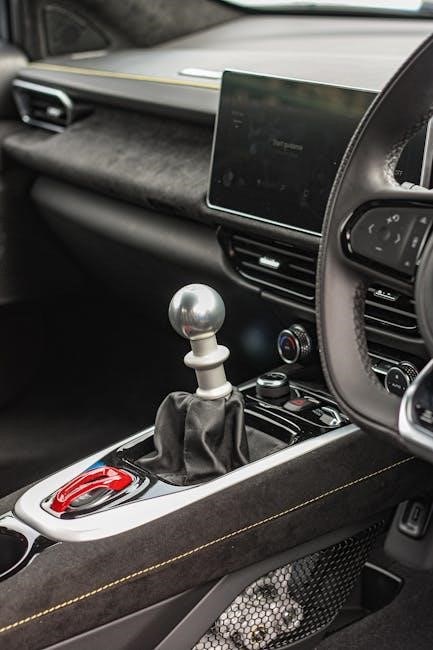
Step-by-Step Conversion Process: Installation of Automatic Gearbox

With the manual gearbox removed, carefully prepare for the automatic transmission installation. Using a transmission jack, slowly raise the automatic gearbox into position, aligning it with the engine’s bellhousing. Ensure the torque converter is properly seated within the flexplate before fully mating the transmission.
Install the bellhousing bolts, tightening them in a crisscross pattern to ensure even pressure. Reconnect the transmission mount, securing it firmly to the vehicle’s chassis. Attach the driveshaft, verifying correct orientation based on previous markings; Connect the shifter assembly and cables, adjusting for proper operation.
Install the transmission cooler lines, routing them carefully to avoid exhaust components. Double-check all connections, ensuring they are secure and leak-free. This meticulous process is crucial for a reliable and functional automatic transmission system.
Wiring Harness Modifications
Converting to an automatic gearbox necessitates significant wiring harness adjustments. The manual transmission’s wiring, including reverse light switches and potentially speed sensor connections, will need modification or replacement. Identify and disconnect all wiring associated with the manual gearbox, carefully labeling each connection for reference.
Install the wiring harness specific to the automatic transmission, connecting it to the appropriate sensors and solenoids. This often involves splicing wires and adding new connectors. Pay close attention to the neutral safety switch wiring, ensuring proper functionality to prevent starting in gear.
Thoroughly inspect all connections, utilizing a wiring diagram to verify accuracy. Secure the harness to prevent chafing or damage, and test all related systems before proceeding. Proper wiring is paramount for reliable automatic operation.
Pedal Assembly Changes
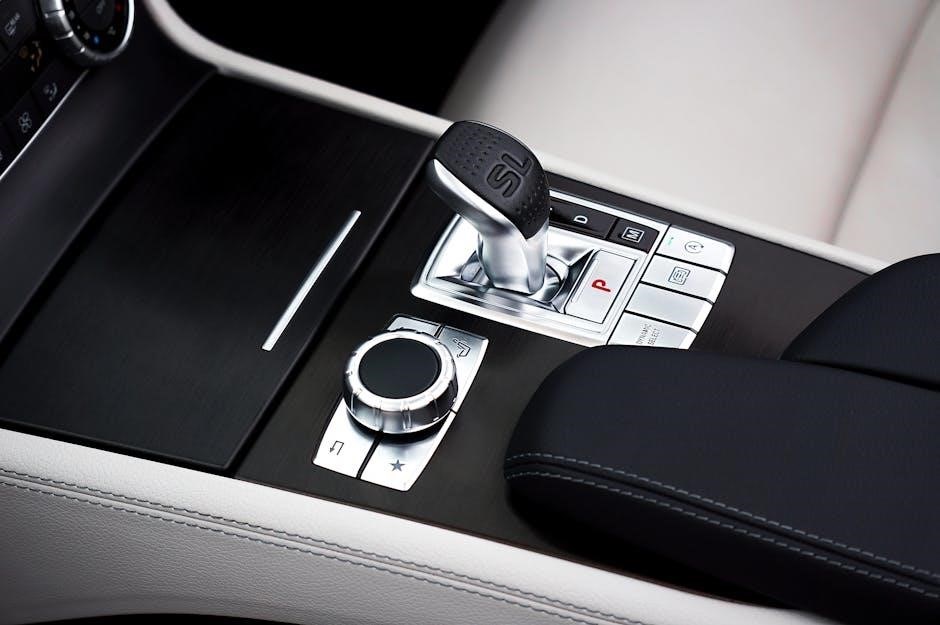
A crucial step in the conversion involves modifying the pedal assembly. Manual transmission vehicles feature a clutch pedal, which is redundant with an automatic gearbox. This pedal must be removed, and the opening appropriately covered or fitted with a blanking plate for aesthetic and safety reasons.
Removing the clutch pedal requires disconnecting its linkage and unbolting it from the pedal box. Ensure all remaining pedals are securely fastened after removal. Consider the implications for footwell space and ergonomics; the absence of the clutch pedal alters the driving position slightly.
Some conversions may necessitate relocating the brake pedal to accommodate the automatic shifter. Always prioritize safety and ensure all pedal adjustments are performed correctly, maintaining proper pedal feel and functionality.
Driveshaft Modifications or Replacement
The driveshaft often requires attention during a manual to automatic conversion. Automatic transmissions typically have a different output flange than manual gearboxes, necessitating driveshaft modifications or a complete replacement to ensure proper fitment and function.
Carefully measure the driveshaft length after the transmission swap. Discrepancies can cause vibrations, premature wear, or even damage to the transmission and differential. If the length is incorrect, the driveshaft may need to be shortened or lengthened by a qualified professional.
Inspect the U-joints and slip yokes for wear or damage. Replacing these components alongside any length adjustments is recommended. Ensuring proper driveshaft balance is critical to minimize vibrations and maintain a smooth driving experience. A properly fitted driveshaft is essential for transferring power efficiently.
Computer (ECU) Reprogramming/Tuning
The vehicle’s Engine Control Unit (ECU) often requires reprogramming after a manual to automatic conversion. The ECU manages various engine functions, and a transmission change alters its operational parameters, potentially leading to suboptimal performance or error codes without adjustment.
The ECU needs to recognize the automatic transmission’s signals and adjust the engine’s torque output accordingly. This may involve modifying parameters like shift points, torque converter lockup, and overall transmission control strategy. A generic scan tool won’t suffice; specialized software and knowledge are crucial.

Professional tuning is highly recommended to ensure seamless integration and prevent issues like harsh shifting or slipping gears. Ignoring this step can result in reduced fuel efficiency, diminished performance, and potential damage to the new transmission. Proper ECU calibration is vital for a reliable conversion.
Fluid Filling and System Bleeding
After installing the automatic gearbox, proper fluid filling and system bleeding are paramount for its longevity and performance. Using the correct type of Automatic Transmission Fluid (ATF) specified by the vehicle manufacturer is non-negotiable; incorrect fluid can cause severe damage.
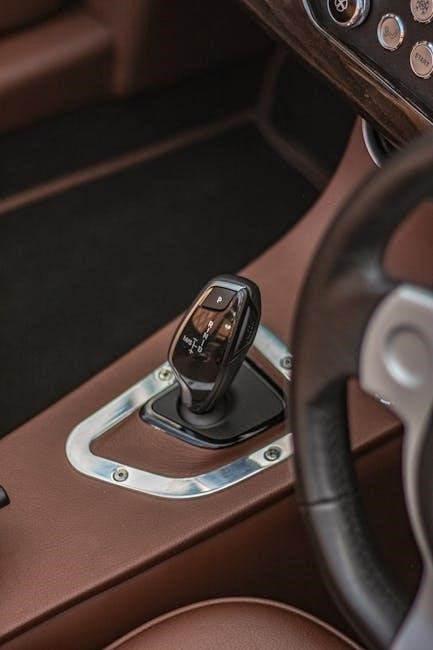
The filling process typically involves checking the fluid level with the engine running and the transmission in neutral or park, following the manufacturer’s guidelines. Bleeding the system removes air bubbles introduced during installation, which can cause erratic shifting or complete transmission failure.
This often requires cycling through each gear position while monitoring the fluid level and temperature. Some vehicles have specific bleed screws or procedures. Thorough bleeding ensures smooth, consistent operation and prevents premature wear. Neglecting this step risks irreversible transmission damage.
Testing and Initial Drive
Following the fluid filling and bleeding process, a comprehensive testing phase is crucial to validate the conversion’s success. Begin with stationary tests, cycling through all gear selections – Park, Reverse, Neutral, Drive – while observing for any unusual noises, vibrations, or leaks.
The initial drive should be performed cautiously in a controlled environment. Pay close attention to shift quality; transitions should be smooth and predictable. Monitor the transmission temperature gauge, ensuring it remains within the normal operating range. Listen for any clunking, slipping, or harsh engagement.
Gradually increase speed and test the transmission under varying loads. This initial drive is a diagnostic opportunity, revealing potential issues before they escalate. Document any anomalies for further investigation and troubleshooting.
Potential Issues and Troubleshooting
Despite meticulous installation, several issues can arise post-conversion. Slipping gears, where the engine revs without corresponding acceleration, often indicates low fluid levels, a worn torque converter, or internal transmission damage. Thoroughly check fluid levels and inspect the torque converter.
Harsh shifting, characterized by abrupt gear changes, can stem from incorrect wiring, improper ECU tuning, or a malfunctioning solenoid. Verify wiring connections and consider professional ECU recalibration. Unusual noises, like clunking or whining, may signal mechanical problems requiring immediate attention.
Leaks are another common concern; inspect all connections and seals. Remember, a vehicle is a complex system, and diagnosing transmission issues often requires a systematic approach and potentially, specialized diagnostic tools.
15.1 Slipping Gears
Slipping gears, a frustrating symptom post-conversion, manifests as the engine revving higher without a proportional increase in vehicle speed. This typically indicates a loss of power transfer within the automatic transmission. The most common culprit is low transmission fluid; always verify the fluid level using the dipstick, ensuring the vehicle is on a level surface and the engine is warm.
However, low fluid is often a symptom, not the root cause. A worn or failing torque converter can also cause slipping, as it’s responsible for transmitting engine power to the gearbox. Internal transmission damage, such as worn clutches or bands, is a more serious possibility, requiring professional diagnosis.
Incorrectly adjusted or malfunctioning solenoids can also contribute. Thorough inspection and potentially replacement are necessary. Ignoring slipping gears can lead to further damage and costly repairs.
15.2 Harsh Shifting
Harsh shifting, characterized by abrupt and jarring gear changes, is another common issue following a manual-to-automatic conversion. Unlike the smooth transitions expected from a well-tuned automatic, harsh shifts indicate a problem within the transmission’s hydraulic system or control mechanisms. Often, the issue stems from incorrect transmission fluid – using the wrong type can significantly impact shift quality.
A malfunctioning transmission control module (TCM) or faulty shift solenoids can also cause harsh shifts. These components regulate fluid pressure and timing, and their failure disrupts smooth gear engagement. Furthermore, improper adjustment of the throttle valve cable, if applicable, can contribute to the problem.
Diagnosing harsh shifting requires a systematic approach, including fluid checks, solenoid testing, and potentially, a scan for diagnostic trouble codes. Addressing this promptly prevents further wear and tear on the transmission.
Legal Considerations and Vehicle Inspection
Modifying a vehicle’s drivetrain, such as converting from a manual to an automatic gearbox, often triggers legal and inspection requirements. These regulations vary significantly depending on your location – state, province, or country – and failing to comply can result in fines, insurance complications, or even the inability to legally operate the vehicle.
Many jurisdictions require a vehicle inspection following substantial modifications to ensure the changes meet safety standards. This inspection may focus on the transmission mounting, brake system compatibility, and emissions compliance. Documentation of the conversion, including parts receipts and potentially an engineer’s certification, may be necessary.
It’s crucial to research local laws before commencing the conversion. Some areas mandate notification to the department of motor vehicles, while others require a complete re-certification of the vehicle. Ignoring these regulations can have serious consequences.
Long-Term Maintenance of Converted Automatic Transmission
A converted automatic transmission, while offering convenience, demands diligent long-term maintenance to ensure reliability and longevity. Unlike factory-installed automatics, a conversion may introduce unique stresses and require a proactive approach to servicing.
Regular fluid checks and changes are paramount, often more frequent than those recommended for a standard automatic. Using the correct fluid type, specified for the chosen gearbox, is critical. Inspect transmission cooler lines for leaks or damage, as overheating is a major concern.
Pay close attention to shifting quality; any harshness or slipping should be investigated promptly. Consider a transmission service including a pan drop and filter change every 30,000-50,000 miles. Monitoring for unusual noises or vibrations can also indicate potential issues, preventing costly repairs down the line.
Performance Implications of the Conversion
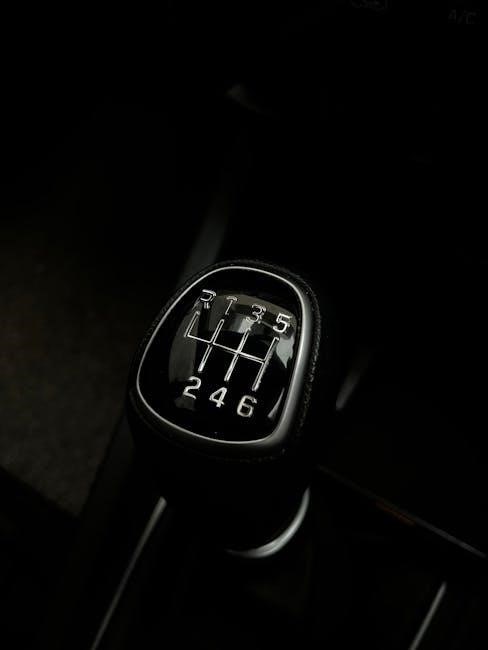
Switching from a manual to an automatic gearbox inherently alters a vehicle’s performance characteristics. While modern automatics have narrowed the gap, some trade-offs are inevitable. Expect a potential decrease in raw acceleration, as automatics typically introduce a slight power loss through the torque converter.
However, this isn’t always detrimental; well-tuned automatics can offer consistent and repeatable performance, particularly beneficial for drag racing or track days. Fuel economy may also be affected, potentially decreasing slightly due to the automatic’s inherent inefficiencies.
The driving experience shifts from direct control to a more relaxed, automated feel. The exhilaration of precise gear selection is lost, but replaced with ease of use, especially in congested traffic. Ultimately, the performance impact depends heavily on the specific gearbox and tuning applied.
Finding Professional Assistance
Undertaking a manual to automatic gearbox conversion is a complex task, and seeking professional assistance is often highly recommended, especially for those lacking extensive mechanical experience. Qualified mechanics specializing in transmissions possess the knowledge and tools to ensure a correct and reliable installation.
Look for shops with a proven track record in gearbox conversions, and don’t hesitate to ask for references or view previous work. A reputable shop will provide a detailed quote outlining all costs, including parts, labor, and potential unforeseen expenses.
Furthermore, they can advise on vehicle compatibility, optimal gearbox selection, and necessary ECU reprogramming. Ignoring professional guidance can lead to costly mistakes and compromised vehicle performance. Prioritize expertise and experience for a successful conversion.
Resources and Further Information
Successfully navigating a manual to automatic gearbox conversion requires access to reliable information and supportive communities. Online forums dedicated to automotive modifications and specific vehicle makes are invaluable resources for troubleshooting, sharing experiences, and finding technical advice.
Websites like CarMax offer insights into transmission types and their impact on driving. Automotive repair manuals, both physical and digital, provide detailed diagrams and procedures for gearbox removal and installation.
Additionally, parts suppliers often have technical support teams capable of answering questions about compatibility and installation. Remember to cross-reference information from multiple sources and prioritize safety throughout the process. Continuous learning and diligent research are key to a successful conversion.